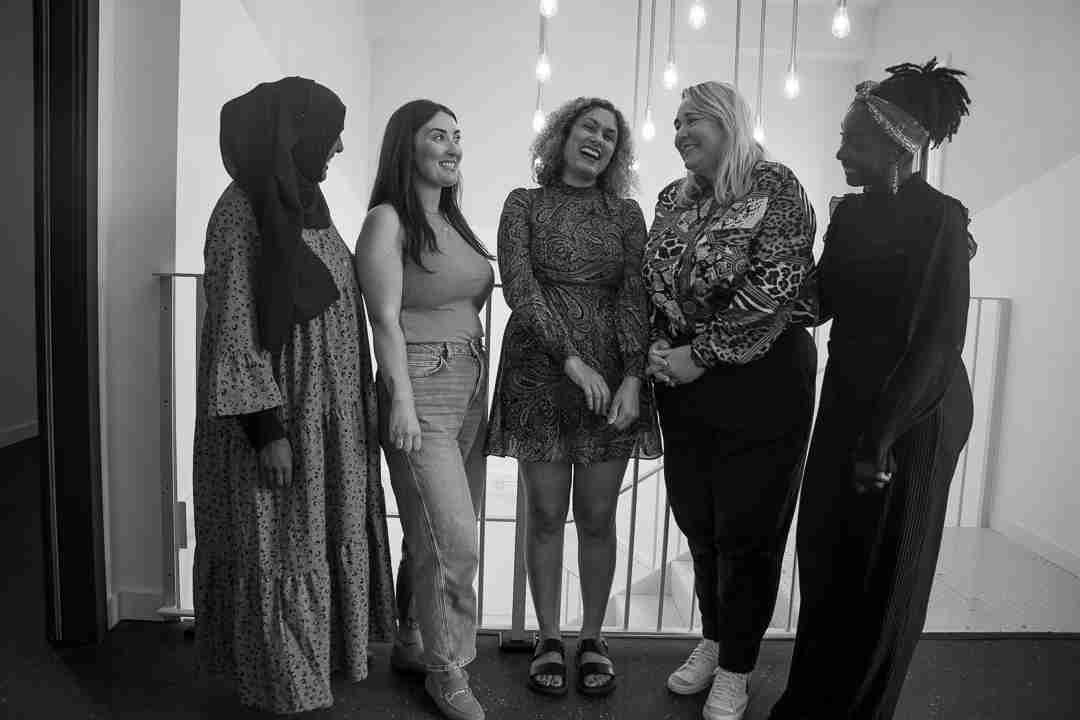
Domestic abuse affects countless individuals and families, but its complexity requires a collective response. At Soul Sisters, we believe that the only way to effectively combat domestic abuse is through collaboration – working together with our communities, local businesses, and key stakeholders. During Trustee Week, we are celebrating the vital role our trustees play in fostering this collaboration and building the connections that make our work stronger.
Why Collaboration Matters
No single organisation can tackle domestic abuse alone. It requires a network of people – advocates, service providers, government bodies, businesses, and community groups – coming together with a shared vision: to break the cycle of abuse and create lasting change.
Our trustees bring diverse skills and experiences, enabling them to build these critical connections. By forming partnerships, they help us expand our reach, secure essential resources, and amplify our message.
Insights from Our Trustees
We asked our trustees to share their thoughts on why community collaboration is key to ending domestic abuse and how it informs their work at Soul Sisters. Here’s what they had to say:

Fran: Legislative Lead
Fran is passionate about forming strategic partnerships with key stakeholders. “We can’t do this alone. Collaborating with Greater Manchester Police, local MPs, and other government bodies allows us to advocate more effectively for the women we support,” Fran says. Fran’s work ensures domestic abuse remains a priority on the policy agenda, making a long-term difference for survivors.
Khyati: Education & Awareness Initiative Lead
Khyati focuses on early intervention through education. “By working closely with schools, we can give young people the tools to recognise and respond to unhealthy relationships. It’s about prevention as much as it is intervention,” she explains. Through her collaboration with educators, Khyati hopes to shift attitudes towards domestic abuse and build a safer future.
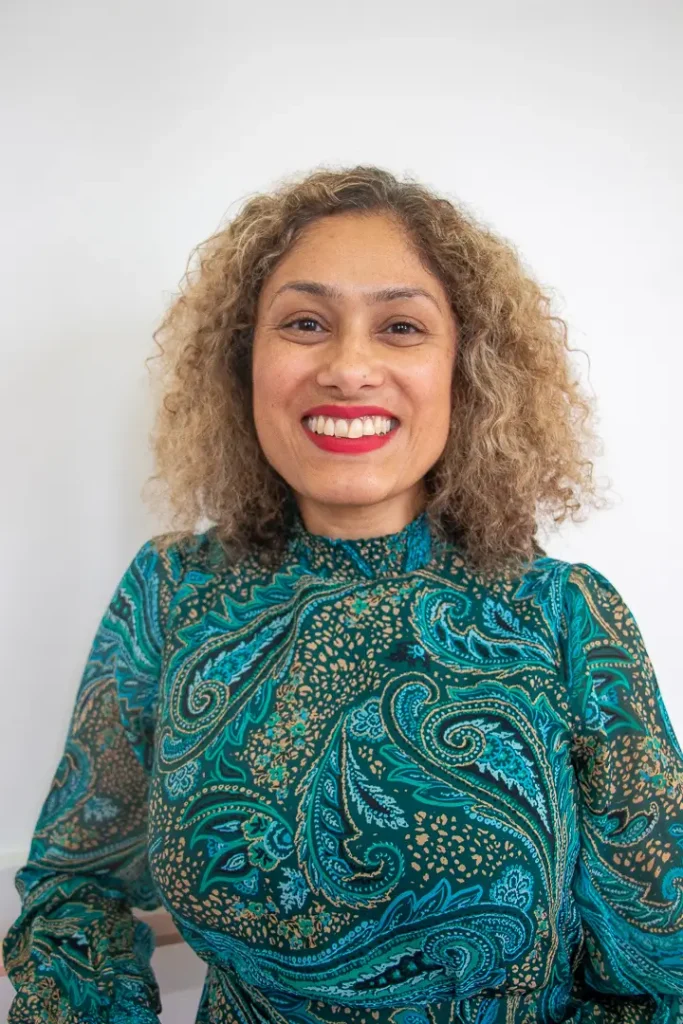

Rosannah: Volunteer Lead
Rosannah sees volunteers as the lifeblood of Soul Sisters. “Our volunteers are often the first point of contact for those seeking help. Their diverse backgrounds and experiences make our work richer and more impactful,” she says. Rosannah is working with local universities and communities to build a strong volunteer network, ensuring we have the support we need to help those affected by domestic abuse.
LaToya: Fundraising Lead
For LaToya, relationships are the cornerstone of successful fundraising. “We need to build trust, not only with donors and sponsors but also with the communities we serve,” she says. LaToya is leading a 12-month fundraising plan that includes partnerships with local businesses and donor engagement. She believes that by pooling resources and strengthening bonds, we can offer more sustainable support for survivors.
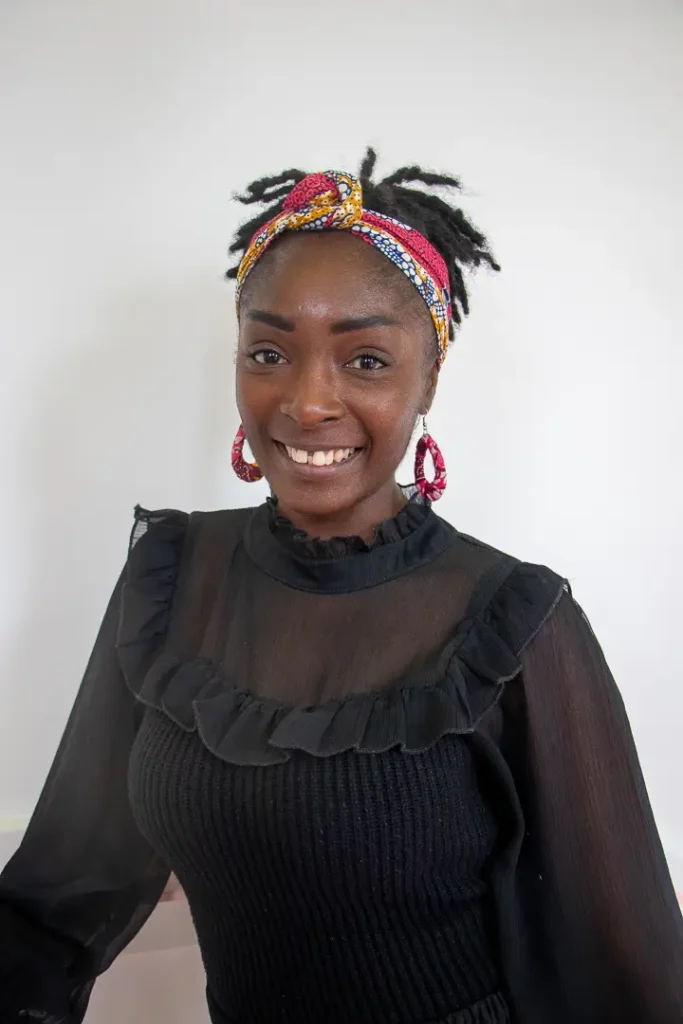

Gaby: Digital Marketing Lead
Gaby, our Digital Marketing Lead, is passionate about harnessing the power of technology to connect more people to our cause. “A strong digital presence isn’t just about promoting the charity – it’s about creating a platform where survivors can find support and where the community can learn, engage, and advocate for change.”
She spearheads initiatives to increase the charity’s visibility online to ensure Soul Sisters is accessible to anyone searching for help. “Digital campaigns allow us to reach women who might not otherwise know where to turn. They can find our resources, connect with others in similar situations, and feel supported by a broader community.”
Asma: Founder
Asma, the founder of Soul Sisters, oversees the charity’s pillars and works closely with survivors through workshops and peer support groups. She also leads our advocacy efforts with local government and police to push for systemic change. “Immediate support is crucial, but we also need long-term protection through stronger policies,” she shares. Asma’s work builds crucial relationships with government bodies to ensure survivors receive the justice they deserve.


Lily: Trauma-Informed Safeguarding Lead
Lilly brings a deep commitment to creating safe, supportive environments for survivors through trauma-informed practices. “Building trust and understanding is essential to meaningful support,” Lilly explains. Her role involves collaborating with local authorities, community organisations, and frontline service providers to ensure that safeguarding measures are sensitive to the needs of trauma survivors. By fostering these connections, Lilly helps create a responsive support network, empowering survivors and ensuring their voices are central to the safeguarding process.
Moving Forward Together
Our trustees each bring their unique strengths, but they are united in their belief that community collaboration is the key to ending domestic abuse. Whether it’s through advocacy, education, or volunteer coordination, their efforts are helping us build a network of support that can make a real difference.
Together, we are stronger—and with the continued support of our trustees, we are one step closer to ending domestic abuse for good.